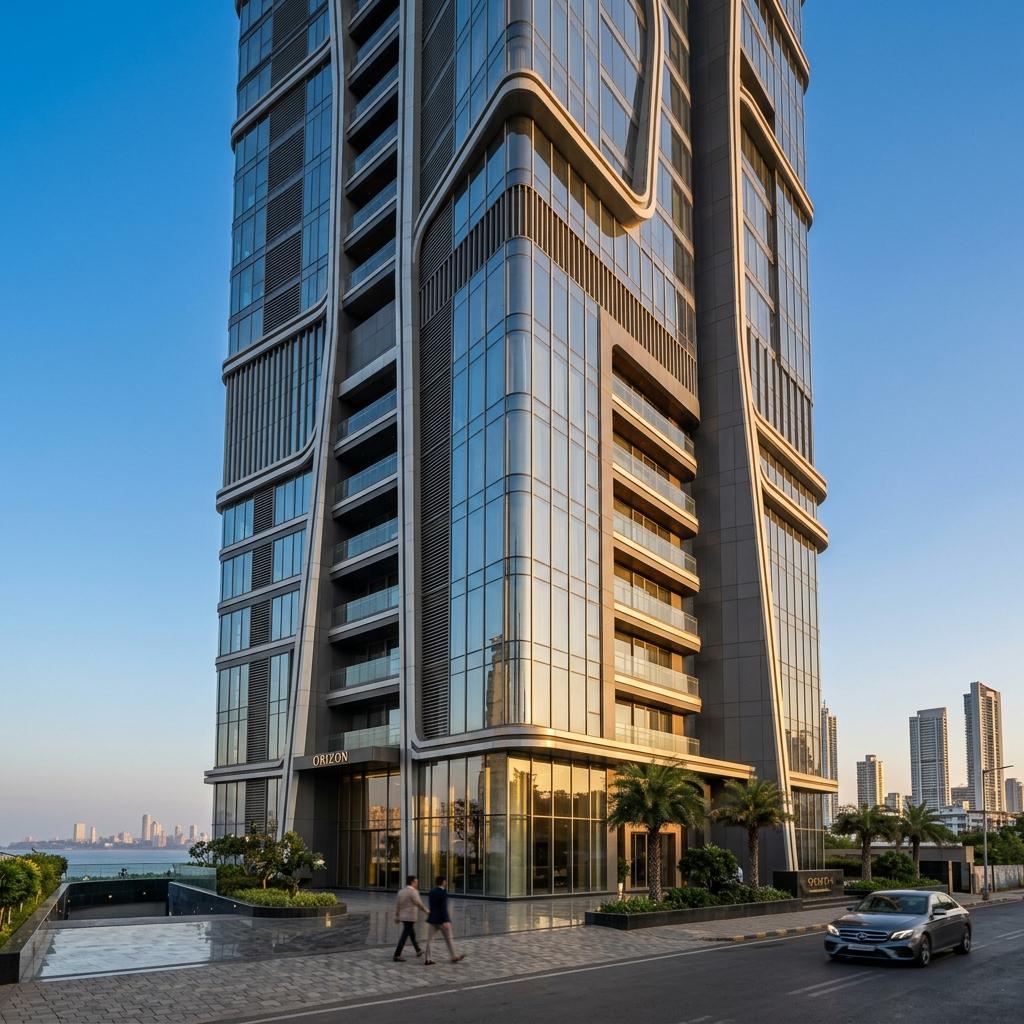

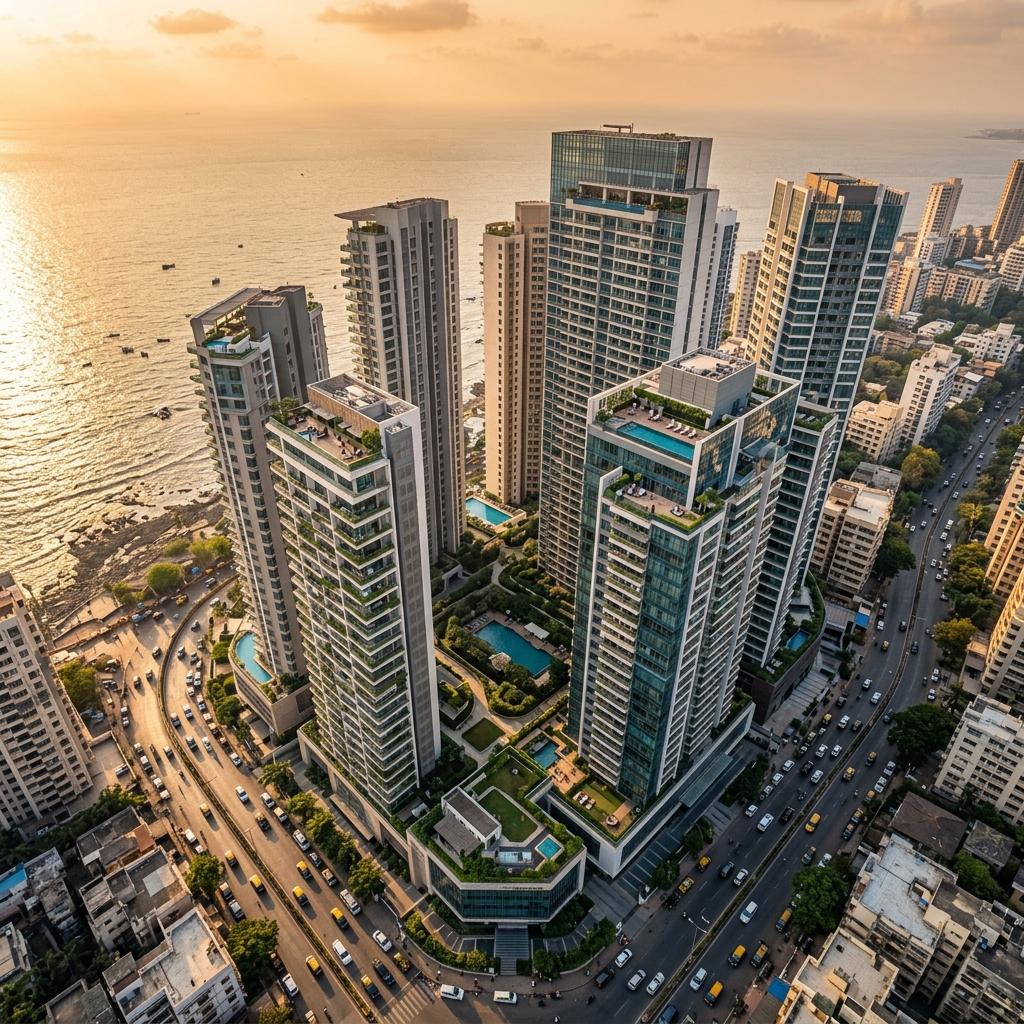
Being an island city, redevelopment shall always play a key and important role in the upliftment of Mumbai's real estate landscape.
Being an island city, redevelopment shall always play a key and important role in the upliftment of Mumbai's real estate landscape. Furthermore, the city's real estate market is expanding and gaining prominence in the country's real estate index, due to quick development, rising demand for residential and commercial units and infrastructure boost which has been a significant contributor to Mumbai's growth in the last couple of years.
Between 60% to 80% of Mumbai's landscape is covered with existing buildings, the balance is reserved for open areas and no development zone. This propels the need for redevelopment in the city — and prices of real estate are closely related to the growth of GDP, employment, infrastructure and population. This means redevelopment initiatives are truly changing India's real estate market significantly.
Most buildings constructed in the city were done in the 1960s and 1970s and do not match the needs and demands of today's homeowners. Also, being an island, Mumbai will always have a challenge of erosion of buildings due to proximity near the sea. Older constructions do go through timely repairs, but that can only postpone the redevelopment — it will not upgrade or modernise the building. Well-known developers are proposing the concept of redevelopment of old buildings and homes. The FAR or FSI of existing buildings has increased over time, as has the available height in various locations, leading existing building members to support the idea of redevelopment and moving into newer homes with more space and modern amenities.
Standard of Living: Completely rebuilding the structure offers upgraded amenities that older complexes typically lack — such as larger homes with buried plumbing, fire-fighting systems, a clubhouse, intercom capabilities, cable and telephone wirings, and smoke detectors, amongst others. Apart from amenities, the developer offers brand-new, earthquake-resistant construction to increase the building's lifespan. Redevelopment guarantees a higher living standard for both new owners and current residents.
ESG: Climate change is a reality and we all need to do our bit to protect the ecosystem we live in. Redevelopment covers a significant number of ESG measures and covers a large area of social and governance upliftment while bringing in sustainable goals, energy and resource efficiencies. With increasing demand and awareness about ESG, real estate developers are taking steps towards providing green and sustainable communities to homebuyers.
Provides Bigger Space: Design improvements and best practices for optimising space usage can be added in redeveloped homes, bringing homes to meet the housing demand in desirable metropolitan areas. It works as a win-win for all stakeholders as existing tenants benefit because they obtain a new, larger house without having to pay more, and also receive compensation in the form of corpus and rent for the years that they are out of their existing homes.
Increased Asset Value: A redeveloped home will ensure a better value for existing tenants, with the property's overall value trending upwards as new buildings provide state-of-the-art facilities. In addition to top-notch capital value, renovated homes also offer better rentals.
Low Equity Requirement: The largest investment in any real estate project is the land. However, it is relatively a smaller portion in cases of redevelopment. As a result, this leads to a higher return on equity for the investor. The transition time is also lesser in redevelopment projects compared to new land acquisitions.
Redevelopment is the best course of action to balance supply and demand. Investors should view redevelopment projects that replace outdated structures as profitable offerings — the equity investment and entry cost is lesser, and it works to provide homes in key prime parts of the city where demand and pricing is high and supply is limited.